
Navigating Costs and Coverage for Weight-loss Treatments
Navigating insurance coverage for weight-loss treatments can feel overwhelming. The good news is your insurance plan may cover many options.
This guide will help you ask the right questions, understand what your plan covers, and find out any out-of-pocket costs so you can focus on your health and weight-loss journey.

Step 1: Gather your information
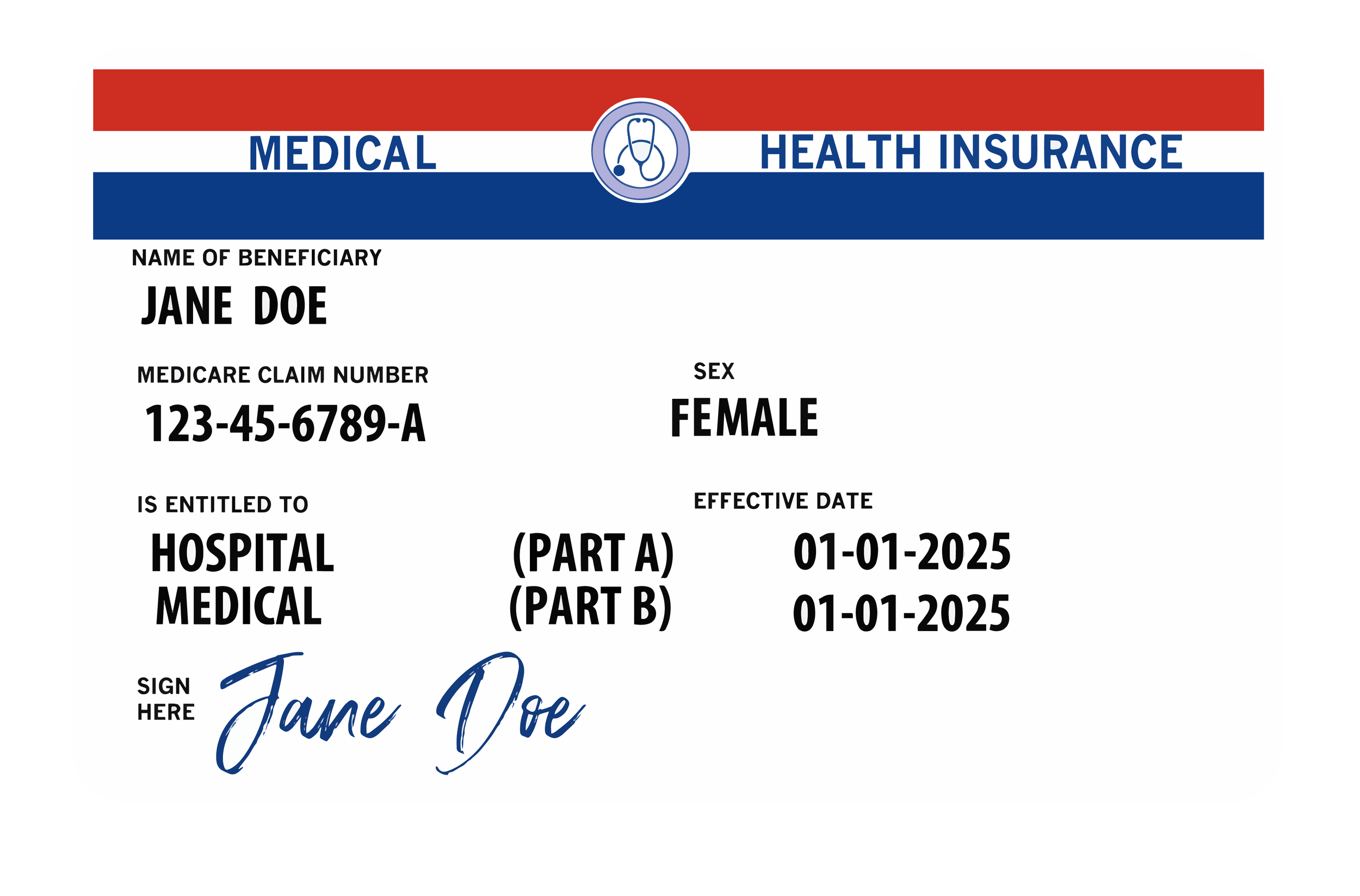
Find your insurance benefit card(s)
This is usually the card you show at your doctor’s office. It will include information like your member ID number.
Sometimes this card may have an RxBIN, RxPCN, or RxGroup printed on it. If you don’t see this information, you may have a separate benefit card that you show at the pharmacy. Grab this card as well; you may need this information to learn about your coverage for things like medications.Your recent weight and height (or your BMI from a doctor’s visit)
Your list of diagnoses
Examples: obesity, prediabetes, type 2 diabetes, sleep apnea, high blood pressureYour current medications
Any medications or other treatments you’ve tried for weight loss
Your preferred treatment(s)
Examples: medication, DPP, dietitian counseling, bariatric surgery
Step 2: Call the number on the back of your insurance benefit card
Ask the customer service representative the recommended questions for treatment options you are interested in.
-
Do you cover any lifestyle change programs such as Weight Watchers or the Diabetes Prevention Program?
Do you cover any in-person, virtual, or telemedicine programs for lifestyle change?
What are the approval criteria (such as a BMI threshold, comorbidities, or required documentation)?
What exactly is covered for each program?
What will I pay out-of-pocket?
What do I need to do in order to use this benefit?
-
Is nutrition counseling covered? If yes, is it limited to certain diagnoses (diabetes, kidney disease, obesity)?
Do I need a referral from my doctor?
How many visits per year are covered?
Are there any copays or other out-of-pocket costs?
Is telehealth allowed?
-
Do I have a fitness benefit like SilverSneakers or reimbursement/discounts?
Do I need a letter of medical necessity from my doctor?
Are there any copays or other out-of-pocket costs?
How do I find eligible programs?
-
Examples: Wegovy (semaglutide), Zepbound (tirzepatide), Saxenda, Ozempic, etc.
Ask your insurance representative these questions:*
Does my plan cover weight-loss medications?
(Some plans cover for diabetes but not weight loss)
If yes, ask the follow-up questions:Which drugs are on my formulary for obesity treatment? (A formulary is a list of prescription medications covered by an insurance plan.)
What tier are they? (Drugs are usually categorized in tiers 1-5; the lower the tier, the lower the cost.)
Do I need prior authorization (when your insurance company requires approval before it will pay for a medication, test, or procedure)? If yes:
What are the approval criteria (such as a BMI threshold, comorbidities, or required documentation)?
Do you require step therapy (trying other meds first)?
Is there a duration limit (such as re-authorization every 3–6 months)?
What will I pay? (copay/coinsurance, deductible)
Do you require the use of a specific pharmacy or mail order?
*If your prescription coverage is a separate plan from your health insurance, call the number on the card you show at the pharmacy.
-
Is bariatric surgery covered on my plan? If so, which procedures are covered?
What are the medical criteria (BMI and qualifying conditions)?
Do I need:
prior authorization?
a center of excellence (a hospital or surgical program, like Michigan Medicine, that meets high national standards for safety, quality, and experience)?
A history of trying other weight-loss treatments?
Are there any copays or out-of-pocket costs?